
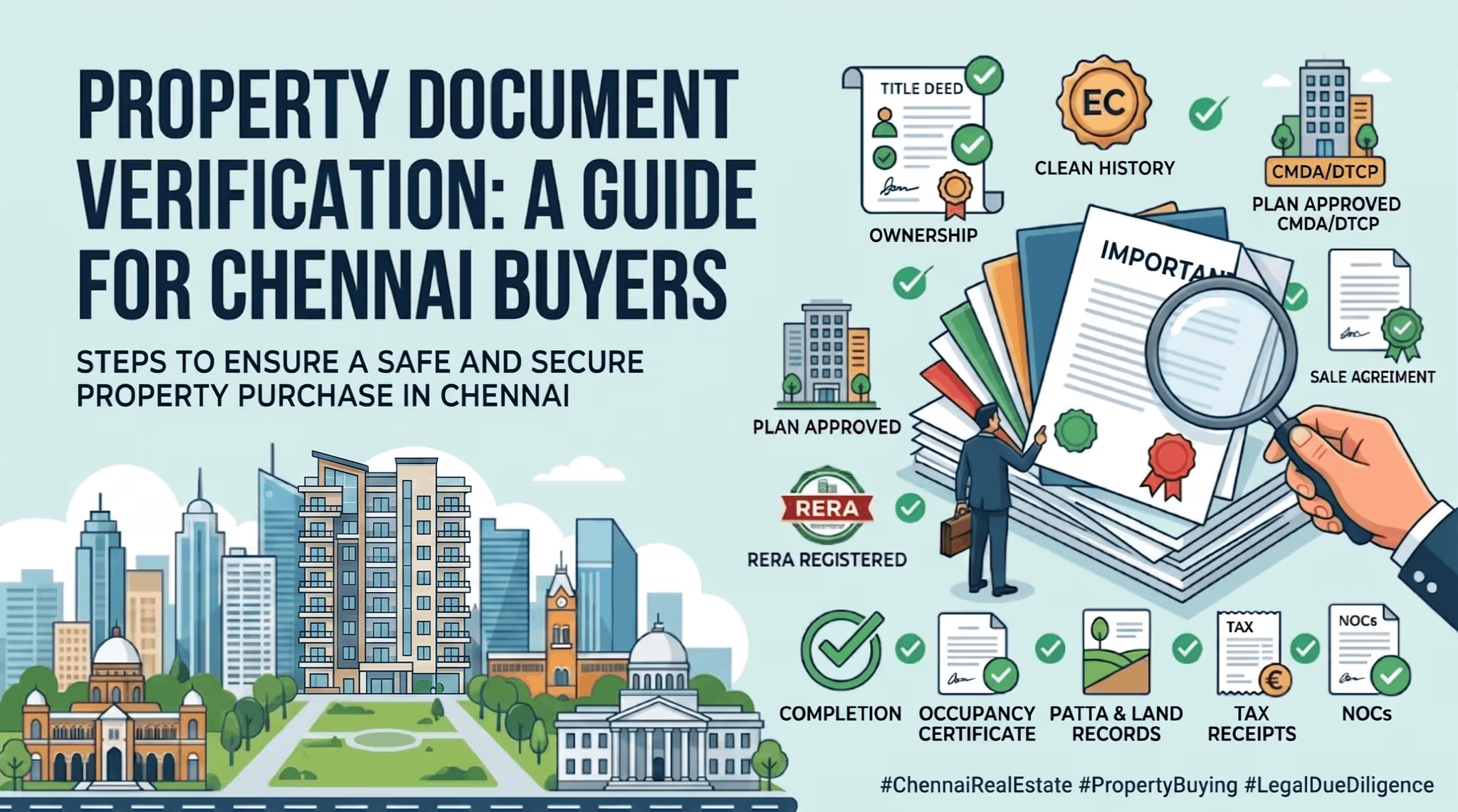
Buying a property in Chennai is a major investment, and document verification is the step where you either secure your future—or invite unnecessary risks. Many buyers focus on price, location, or amenities but overlook legal due diligence, which can lead to serious complications later. The good news? If you follow a structured approach, verifying property documents becomes straightforward and stress-free. Let’s walk through it step by step so you know exactly what to check before making a decision.
1. Verify the Title Deed (Ownership Proof)
The Title Deed is the most important document in any property transaction. It confirms who the legal owner is and whether they have the right to sell the property. When reviewing it, ensure that the seller’s name matches all other documents and that there are no disputes or unclear ownership history.
You should also check the chain of ownership for at least the last 20–30 years. This helps confirm that the property has been legally transferred over time without any issues. If anything seems unclear, consult a property lawyer immediately. A clean title is non-negotiable—it’s the foundation of a safe purchase.
2. Check the Encumbrance Certificate (EC)
The Encumbrance Certificate (EC) shows whether the property has any legal or financial liabilities, such as loans, mortgages, or court cases. In Tamil Nadu, you can obtain the EC online through the Inspector General of Registration (IGR) website or from the sub-registrar office.
Ideally, you should check the EC for at least 13–30 years. If the certificate shows “Nil Encumbrance,” it means there are no registered liabilities. If there are entries, review them carefully to understand if they have been cleared. This step ensures that you are not unknowingly inheriting someone else’s debt.
3. Confirm Building Plan Approval
Every apartment project must have approval from the local authority, such as CMDA (Chennai Metropolitan Development Authority) or DTCP (Directorate of Town and Country Planning). The approved building plan ensures that the construction follows legal norms and zoning regulations.
Compare the approved plan with the actual construction. If there are major deviations, it could lead to penalties or even demolition notices in extreme cases. Always insist on seeing the original approval documents before proceeding.
4. Verify RERA Registration
For under-construction properties, checking RERA (Real Estate Regulatory Authority) registration is crucial. RERA ensures transparency and protects buyers from delays or fraud. You can visit the Tamil Nadu RERA website and search for the project using its registration number.
Look for details like project completion timeline, approvals, and builder history. If a project is not registered under RERA (when it should be), consider it a red flag. This step adds an extra layer of security to your investment.
5. Check the Sale Agreement
The Sale Agreement outlines the terms and conditions between the buyer and the seller or builder. It includes details like payment schedule, possession date, penalties for delays, and specifications of the apartment.
Read every clause carefully. Pay special attention to hidden charges, cancellation terms, and maintenance costs. If needed, get the agreement reviewed by a legal expert. Once signed, this document becomes legally binding, so clarity is essential.
6. Review the Completion Certificate (CC)
For ready-to-move apartments, the Completion Certificate confirms that the building has been constructed according to the approved plan and complies with all regulations. Without this certificate, the building is technically considered незакон (illegal).
Banks usually require a CC before approving home loans for ready properties. So, if the builder cannot provide it, you should think twice before proceeding.
7. Check the Occupancy Certificate (OC)
The Occupancy Certificate is issued by local authorities after verifying that the building is safe for living. It ensures that essential services like water, electricity, and sewage are properly set up.
Without an OC, you may face issues like lack of legal water connection or penalties in the future. Always confirm that the property has a valid OC before taking possession.
8. Verify Patta and Land Records
In Tamil Nadu, Patta is an important document that establishes ownership of land. Ensure that the patta is in the seller’s name and matches the property details. For apartments, check whether the land has a valid parent patta.
You can verify patta details online through the Tamil Nadu e-services portal. This step confirms that the land itself is legally valid and not under dispute.
9. Check Property Tax Receipts
Ask for the latest property tax receipts to ensure that all dues have been cleared. Unpaid taxes can become your responsibility after purchase. Regular tax payments also indicate that the property is properly registered with local authorities.
10. Ensure No Objection Certificates (NOCs)
For apartment projects, builders must obtain several No Objection Certificates (NOCs) from departments like water, electricity, fire safety, and environmental authorities. These certificates confirm that the project meets all safety and regulatory standards.
While buyers may not always check every NOC individually, it’s important to ensure that the builder has obtained all necessary approvals.
Pro Tip: Always Hire a Property Lawyer
Even if everything looks perfect, having a professional review the documents is a smart move. A property lawyer can identify hidden risks, verify authenticity, and ensure that your investment is legally sound. Think of it as a small cost that protects a much larger investment.
Final Thoughts
Verifying property documents in Chennai might seem like a complex process, but it’s actually your strongest defense against legal troubles. Each document plays a specific role in confirming ownership, legality, and safety. Skipping even one step can lead to complications later.
Take your time, ask questions, and don’t hesitate to walk away if something feels off. A genuine property will always stand up to proper verification. At the end of the day, peace of mind is just as important as the property itself.
FAQs
1. Can I verify property documents online in Chennai?
Yes, documents like EC and patta can be verified online through Tamil Nadu government portals.
2. How many years of Encumbrance Certificate should I check?
Ideally, check for at least 13–30 years to ensure a clear history.
3. Is RERA mandatory for all projects?
RERA is mandatory for most new residential projects, especially under-construction ones.
4. What happens if a property has no Occupancy Certificate?
You may face legal issues, lack of utilities, or penalties in the future.
5. Should I hire a lawyer for document verification?
Yes, it is highly recommended to avoid legal risks and ensure a safe purchase.
Learn how to verify property documents in Chennai with our comprehensive guide. From checking the Encumbrance Certificate (EC) on TNREGINET to validating Patta, Chitta, and RERA approvals, ensure a secure and legal real estate investment in Tamil Nadu.