
Buying an apartment in Chennai can feel overwhelming at first—there are legal checks, financial decisions, builder verifications, and paperwork involved. But once you break it down into clear steps, the process becomes much easier and more manageable. Whether you’re a first-time homebuyer or an investor, following a structured approach will help you avoid costly mistakes and make a confident decision.
1. Define Your Budget and Financial Plan
Before you even start browsing properties, you need to be crystal clear about your budget. This isn’t just about the apartment price—you should also factor in registration charges, GST (for under-construction properties), maintenance deposits, and interior costs. Most banks in India finance up to 75–90% of the property value, so you’ll need to arrange the remaining amount as a down payment.
It’s also wise to check your loan eligibility in advance. Talk to banks, compare interest rates, and get a pre-approved loan if possible. This gives you a clear idea of what you can afford and also strengthens your position when negotiating with builders.
2. Choose the Right Location
Location plays a huge role in both your lifestyle and investment returns. In Chennai, areas like Tambaram, OMR, Porur, and Velachery are popular due to their connectivity and infrastructure. Think about your daily routine—where you work, where your kids study, and how far essential services are.
A good location should offer:
- Easy access to transport (bus, train, metro)
- Nearby schools, hospitals, and supermarkets
- Future infrastructure growth (like metro expansion)
Choosing the right location ensures long-term comfort and better property appreciation.
3. Decide Between New, Resale, or Under-Construction Property
Each type of property has its pros and cons. A ready-to-move apartment gives immediate possession and no GST, while under-construction projects are often cheaper but come with waiting time and some risk.
Here’s a quick comparison:
| Type | Pros | Cons |
|---|---|---|
| Ready-to-Move | Immediate possession, no GST | Higher cost |
| Under-Construction | Lower price, flexible payment | Delay risk |
| Resale | Negotiable price, established area | Older construction |
Your choice should depend on your urgency, budget, and risk tolerance.
4. Research Builders and Projects
Not all builders are equal. Always check the developer’s reputation, past projects, delivery timelines, and customer reviews. A trustworthy builder reduces the risk of delays and legal complications.
Also, verify if the project is registered under RERA (Real Estate Regulatory Authority). RERA ensures transparency and protects buyers from fraud. You can check project details like approvals, completion timelines, and legal status online.
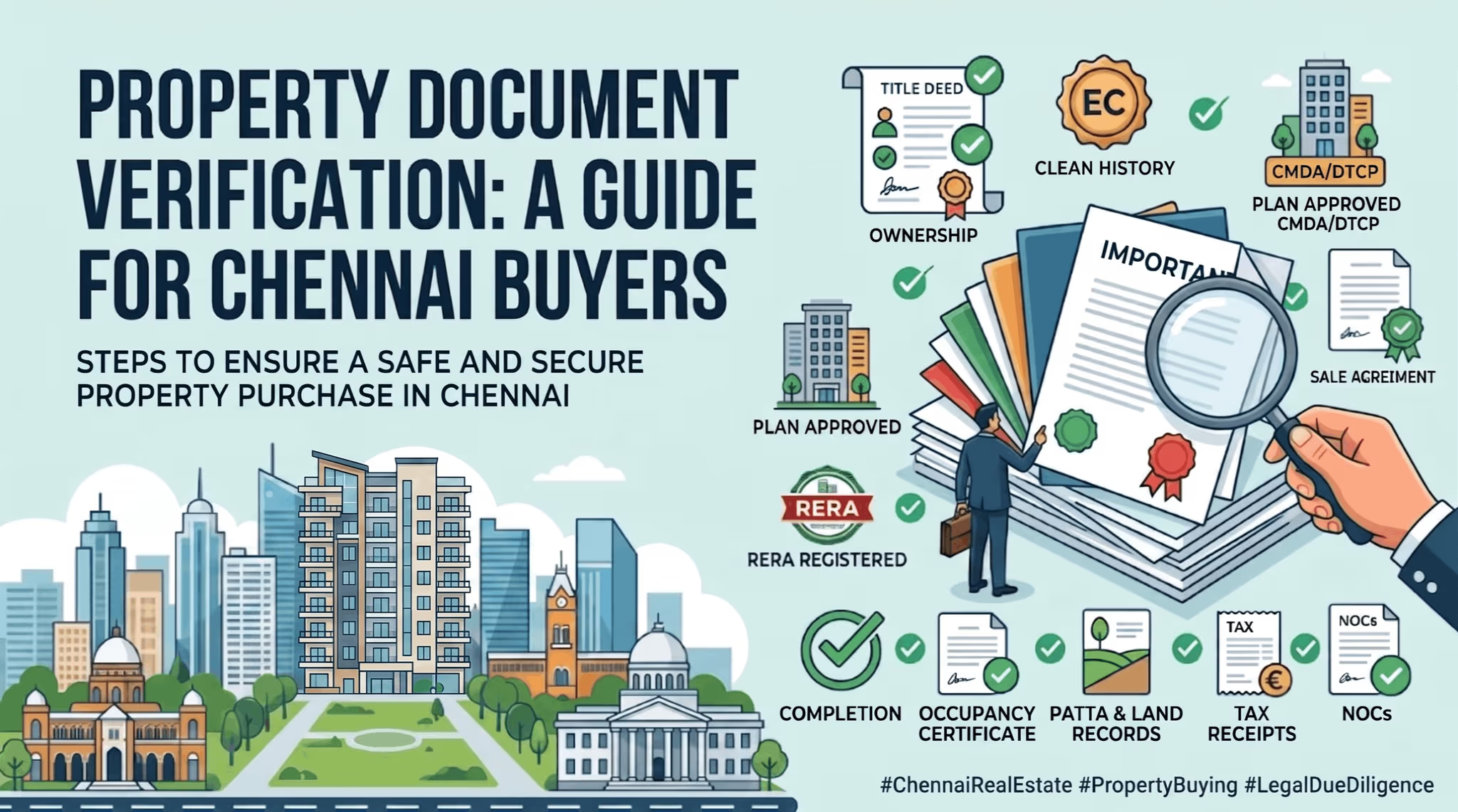
5. Verify Legal Documents
This is one of the most critical steps. Never skip legal verification, even if the builder seems reliable. Key documents to check include:
- Title Deed (clear ownership)
- Encumbrance Certificate (no legal dues)
- Building Approval Plan
- Completion Certificate (for ready homes)
- RERA Registration
It’s highly recommended to hire a property lawyer to review these documents. A small legal mistake can lead to big problems later.
6. Visit the Site and Evaluate the Property
Photos and brochures can be misleading. Always visit the site personally. Check the quality of construction, layout, ventilation, and surrounding environment. If it’s a ready apartment, inspect plumbing, electrical fittings, and finishing work.
For under-construction projects, visit the sample flat and observe the progress of construction. Also, explore the neighborhood to understand traffic, noise levels, and accessibility.
7. Apply for a Home Loan
Once you finalize the property, the next step is arranging finance. Submit your documents to the bank, including income proof, ID proof, and property details. The bank will also conduct a legal and technical evaluation of the property before approving the loan.
Compare different banks for:
- Interest rates
- Processing fees
- Prepayment charges
Choosing the right loan can save you a significant amount over time.
8. Pay Booking Amount and Sign Agreement
After loan approval, you’ll need to pay a booking amount to reserve the apartment. Following this, the builder will provide a Sale Agreement , which outlines payment terms, possession date, and other conditions.
Read the agreement carefully. Don’t hesitate to clarify doubts or negotiate terms before signing. Once signed, this becomes a legally binding document.
9. Registration and Stamp Duty
Property registration is done at the local sub-registrar office. In Chennai (Tamil Nadu), stamp duty is typically around 7% and registration charges are about 4% of the property value (subject to changes).
During registration:
- Both buyer and seller must be present
- Original documents are verified
- Ownership is legally transferred
After this step, the property officially becomes yours.
10. Take Possession and Plan Interiors
Once the construction is complete and all payments are cleared, you’ll receive the keys. Before moving in, inspect the apartment thoroughly for any defects and get them fixed by the builder.
Now comes the exciting part—designing your home. Plan interiors, furniture, and utilities based on your lifestyle needs. Also, ensure that electricity, water, and maintenance services are properly set up.
Final Thoughts
Buying an apartment in Chennai doesn’t have to be stressful if you follow a structured process. From budgeting and location selection to legal verification and registration, every step plays a crucial role in securing your investment. Take your time, do proper research, and don’t rush decisions.
A home is one of the biggest investments you’ll ever make—approach it with clarity, patience, and the right guidance, and you’ll end up with not just a property, but a place you truly love.
FAQs
1. How much down payment is required to buy an apartment in Chennai?
Typically, you need to pay 10–25% of the property value as a down payment.
2. Is RERA registration mandatory?
Yes, most new projects must be registered under RERA for transparency and buyer protection.
3. What are the additional costs apart from property price?
Stamp duty, registration charges, GST (if applicable), maintenance fees, and interior costs.
4. How long does the home loan approval take?
It usually takes 5–10 working days, depending on the bank and documentation.
5. Is it better to buy under-construction or ready-to-move property?
It depends on your budget and urgency. Ready homes offer immediate possession, while under-construction units are often more affordable.
Navigate the journey of homeownership with our step-by-step guide to buying an apartment in Chennai. From budget planning and legal verification of CMDA/DTCP approvals to RERA checks and final registration, we cover everything you need for a stress-free purchase.